
A Legacy Rooted in Kolkata’s Culinary Heritage
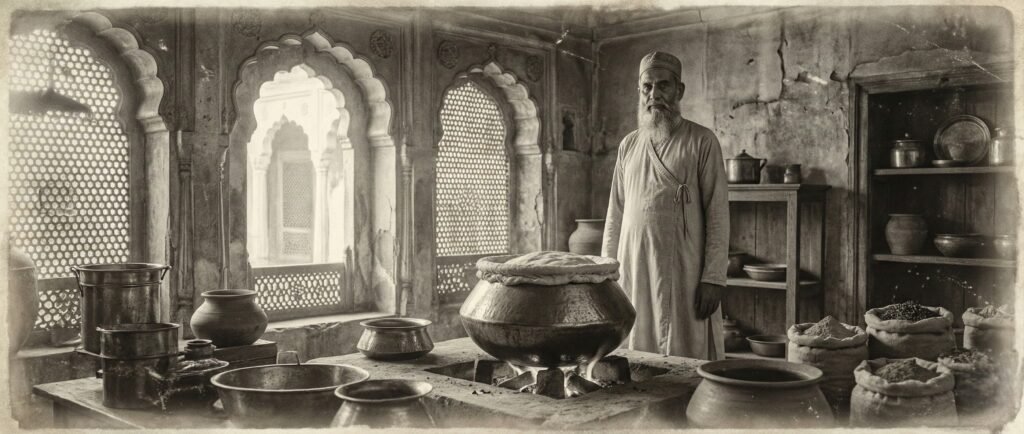
In the heart of Kolkata, where time slows in shaded courtyards and narrow lanes echo with stories older than memory, a certain kind of biryani took shape. It was not born of extravagance, but of restraint. Not of speed, but of patience. Not for the masses, but for those who understood the poetry of food.
Salaar Biryani is born from this very soil.
What we serve is not simply Kolkata biryani—it is a continuation of a legacy that traces its origins to the royal kitchens of Nawab Wajid Ali Shah, the last Nawab of Awadh, whose exile to Kolkata reshaped the city’s cultural and culinary identity forever. Along with poets, musicians, and artists, the Nawab brought with him master khansamas—custodians of a refined culinary tradition where every dish was an act of devotion.
Our chef descends from this lineage.
Through generations, these recipes were not written down. They were observed, practiced, corrected, and remembered. Techniques were refined over lifetimes. Flavors were adjusted not by measurement, but by intuition. What survived was not just a method, but a philosophy of cooking—one rooted in dignity, balance, and respect for ingredients.
A Craft Defined by Ritual
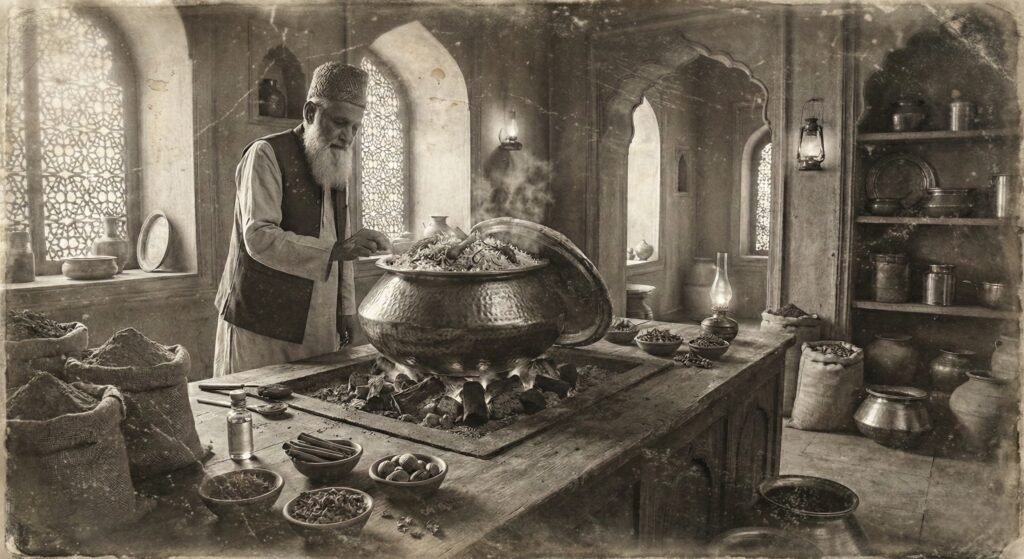
In our kitchen, nothing is hurried.
Each grain of long basmati rice is washed and rested until it is ready to bloom. Mutton and chicken are marinated for hours—sometimes overnight—allowing spices to penetrate slowly, deeply. The biryani is layered by hand, not assembled on a line.
We cook only in traditional copper handis, chosen for their ability to distribute heat evenly and gently. The handi is sealed with dough, trapping steam inside, and placed on a low flame or charcoal fire. This is dum—the sacred pause where flavors find harmony.
The copper, the dough seal, the slow burn of heat—these are not techniques.
They are rituals, preserved exactly as they were in the kitchens of old Kolkata homes and Nawabi courts.
Kolkata Biryani: A Story of Grace and Adaptation
Kolkata-style biryani is unlike any other in India.
Lighter on spice, softer in temperament, it favors aroma over heat, elegance over intensity. The celebrated potato—slow-cooked in ghee and spices—stands as a quiet testament to the city’s history, resilience, and ingenuity. Treated with the same reverence as the meat, it absorbs the essence of saffron, attar, and dum-cooked steam.
A restrained touch of rose water and kewra lingers gently, never overpowering. The spices—cinnamon, mace, nutmeg, bay leaf, green cardamom—are chosen not to dominate, but to converse.
This is biryani meant to be savored slowly, remembered fondly, and returned to often.
From Kolkata to Bengaluru
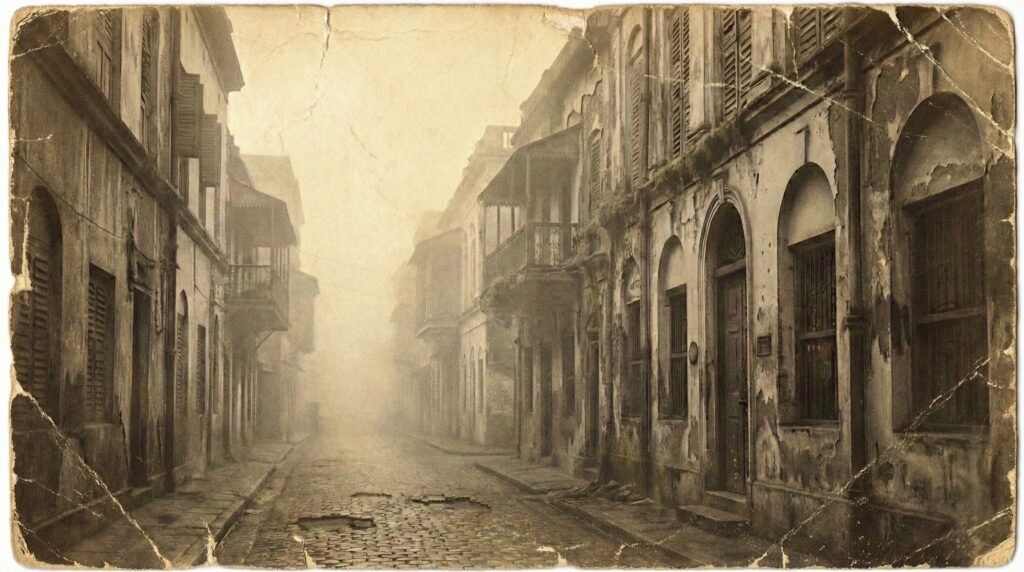
We brought Salaar to Bengaluru with a singular intention—not to modernize the recipe, not to adapt it for convenience, but to honor it exactly as it is.
In a city that values innovation, we chose tradition. In a time that celebrates speed, we chose patience. Amidst the hum of a modern metropolis, we recreate the quiet alchemy of an old Kolkata kitchen—uncompromising, deliberate, and deeply personal.
Every plate that leaves our kitchen carries the weight of generations and the promise of authenticity. No shortcuts. No dilution. No performance.
More Than a Restaurant
Salaar is not built on trends. It is built on memory.
It is for those who recognize the difference between food that fills and food that lingers. For those who understand that true luxury lies not in excess, but in restraint.
This is not fast food
This is not fusion.
This is Salaar — A legacy sealed under dum, carried across cities, and served with quiet pride.